Fantasia quasi una sonata con «Mantra» di Stockhausen
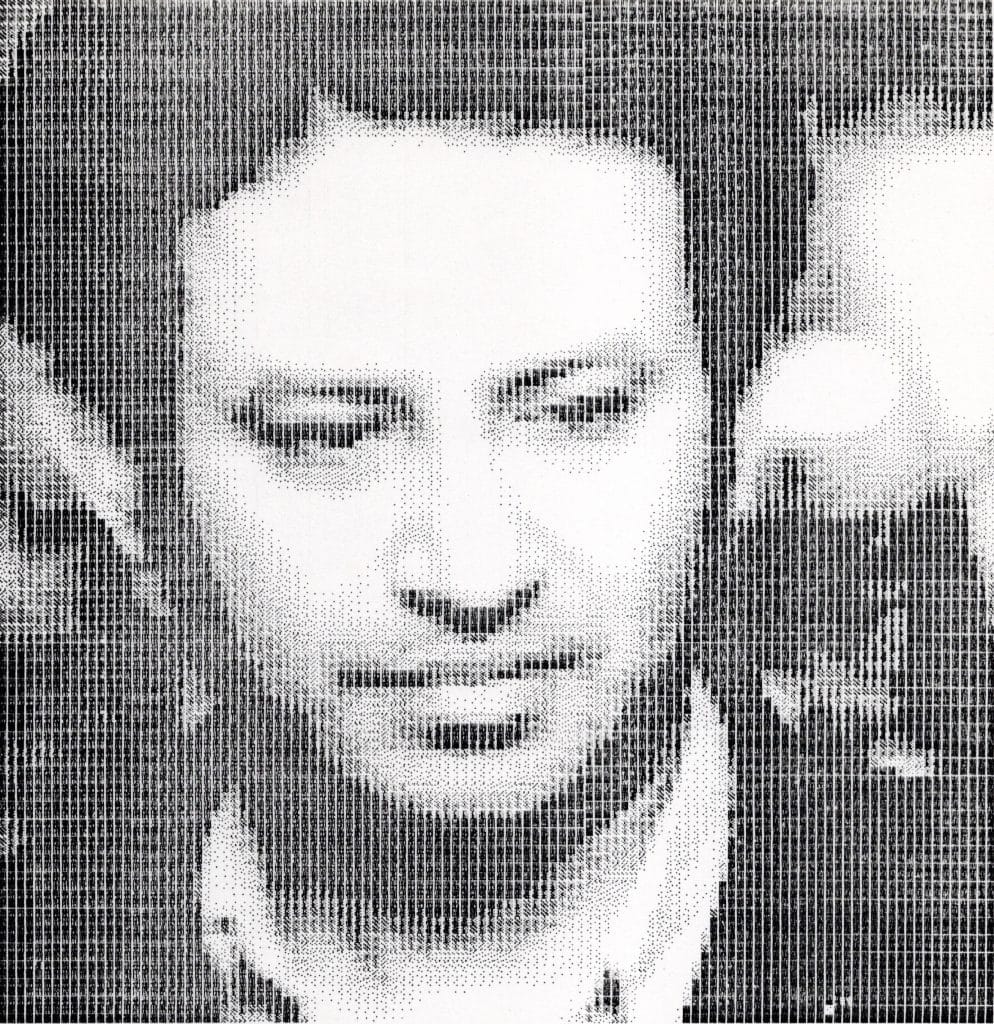
Written in 1973, this piece is based on material composed by Barlow from the early 1960s, used here as a symbol of conservative thinking, and on the formula of Stockhausen's Mantra, used here to symbolize a pseudo-progressive stance. The conservative encounters the pseudo-progressive in the middle of the introductory first of the four five-minute sections and withdraws, allowing Mantra to dominate the second section in a sort of passacaglia. In the third section, a scherzo, the conservative returns and adorns itself with articulatory attributes gleaned from Mantra, thereby denuding the latter to a mere tone-row, after which the fourth section, a rondo finale, celebrates in glorious major keys the triumph of the conservative forces. Mantra reappears one last time at the very end, accompanied by Lisztian arpeggi, as the docile, even servile tone-row it has become.

